




Health Occupations year 2 Course Description
 Launch the media gallery 1 player
HEALTH OCCUPATIONS YOUTH APPRENTICESHIP II (HOYA II)
|
Level: |
12th grade |
|
Class Location: |
|
|
Length: |
One year |
|
H.S. Credit: |
2 credits per year |
|
Post Sec Credit: |
Highland Community College - Dual credit** - 5 total – 2 credits after passing Health Care Delivery final exam and 3 credits after passing Medical Terminology exam |
|
Prerequisite: |
Completion of HOYA I with C or better and 95% attendance, and attainment of work site placement |
|
CAREERTEC Fees: |
$196 ($46 textbook rental, $70 workbook, $80 drug test), to be paid by student/parent at the high school during registration. |
|
HCC Fees: |
$15 registration fee for Spring semester, made payable to HCC |
|
Calendar: |
This course follows the CAREERTEC calendar |
|
State Course ID: |
Sem1: 14154A001 (NURS 117/HLTH 101); Sem2: 14098A005 (Nursing Assistant Workplace Experience) or 14998A002 (Health Science Workplace Experience) |
HOYA II is a combination of on-site clinical work experiences and academic study designed to prepare students for postsecondary education or entry into health-related professions. Students engage in structured work-based learning within healthcare settings while continuing classroom instruction focused on professional competencies, medical knowledge, and current healthcare practices.
Students interview and work on-site with healthcare professionals for an average of 7.5 hours per week, totaling approximately 128 hours per semester and a cumulative total of 255 hours over the course. These supervised experiences provide students with real-world exposure to patient care, teamwork, professional communication, and healthcare delivery standards. This on-site internship will be secured prior to the start of class.
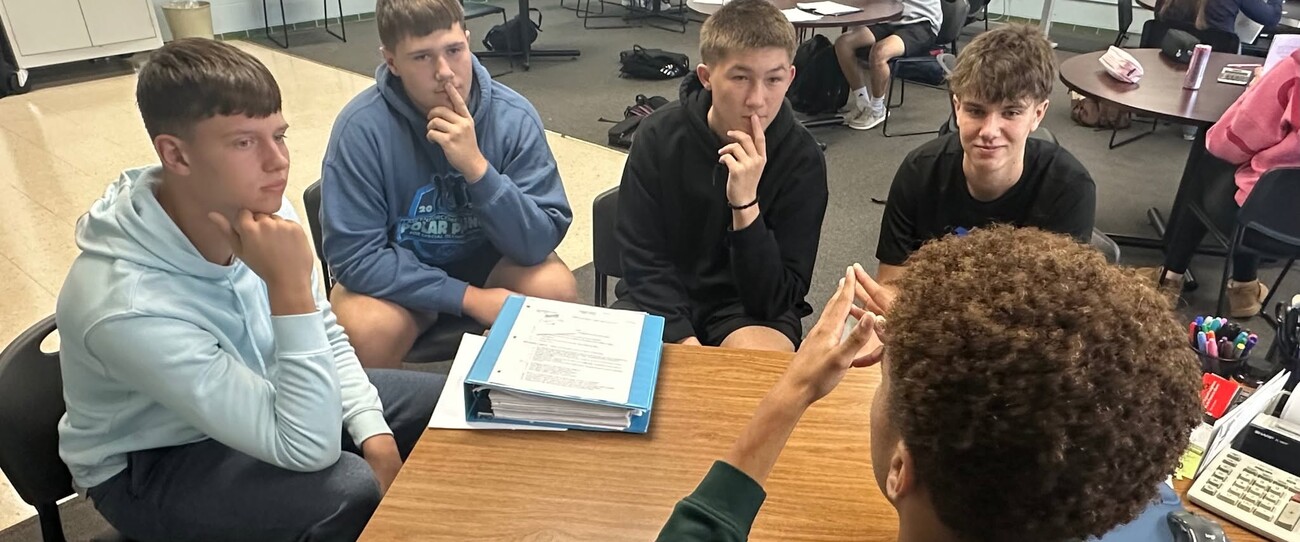
Class sessions are held Monday through Wednesday from 1–2:30 p.m. and emphasize Medical Terminology and Health Care Delivery Systems. Students explore topics such as national and regional healthcare practices, workforce projections, healthcare access and advocacy, service delivery and management, population diversity, and global health trends. Coursework encourages comparison of local and international healthcare systems and promotes understanding of evolving health behaviors.
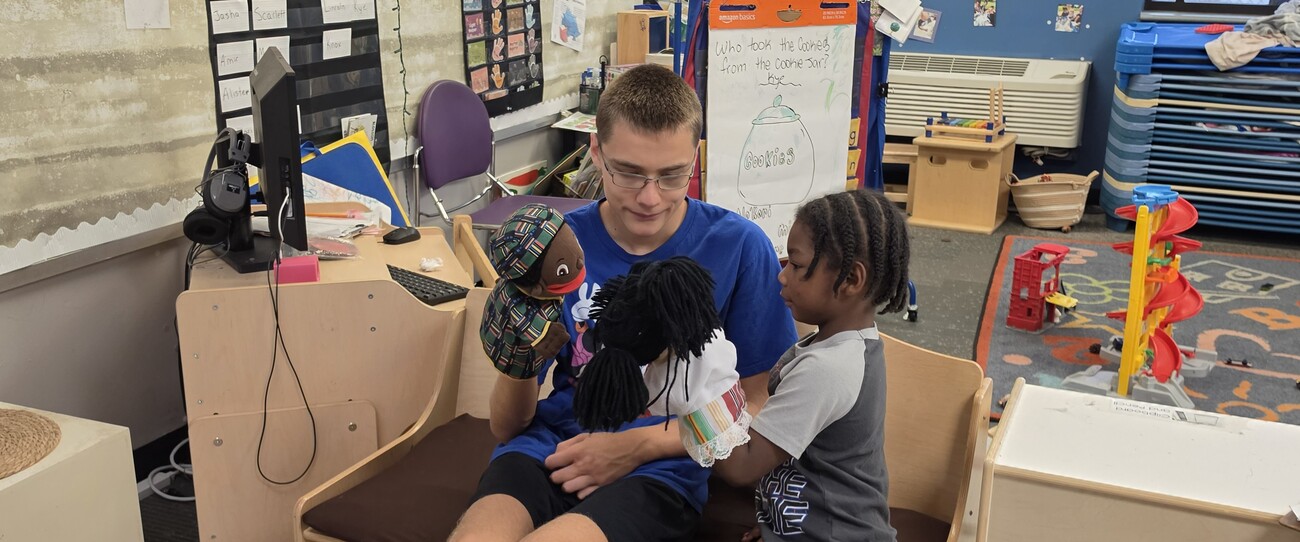
As part of the academic component, students also design and implement teaching projects that promote health awareness in local schools or community settings. These projects often address current public health issues, such as infection prevention, mental health awareness, nutrition, substance misuse, and chronic disease prevention, allowing students to apply classroom learning while contributing to community wellness.
Students must provide documentation of a one-step tuberculosis (TB) skin test or TB blood test (laboratory test) prior to the start of class. TB testing may be completed through the county health department or a physician’s office for a fee. In accordance with healthcare standards, students are subject to random and reasonable suspicion alcohol and drug screenings; a positive result will result in removal from the program.
Students must provide their own transportation to and from internship sites, community service activities, and, if necessary, the classroom. Participation in community-based learning and teaching projects is an essential component of the program, connecting academic study with real-world public health practice and professional experience.