| ![]() | 32° |


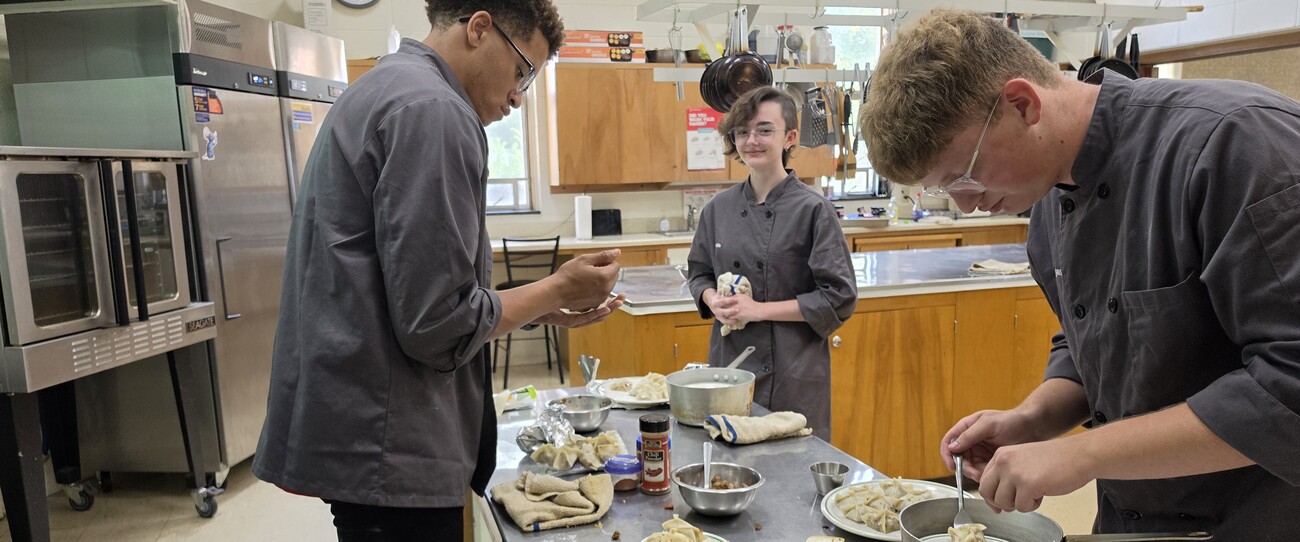
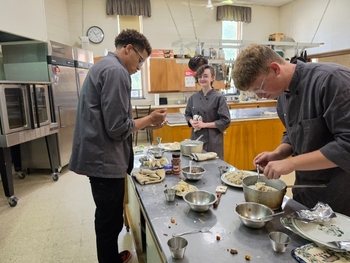
In the second half of January, Culinary Arts students continued to improve their technical skills and abilities, particularly with baking. They learned how to bake with yeast by preparing foods such as homemade pizza, khachapuri, and donuts. Although baking with yeast in the 1.5 hour class time is challenging, students were successful. In the first half of February, students will learn about breakfast cookery through lab activities like English muffins, banana bread french toast. and omelettes. Additionally, students will learn about advanced baking techniques through recipes including cream puffs and macaroons.

Over the past three weeks in HOYA, students have been learning about the different body systems, as well as the acute and chronic conditions associated with each system. As part of this unit, all students participated in a hands-on project where they created a model to share with the class during a presentation. Each model either demonstrated the system's function or highlighted its structures and organs. I was truly impressed with the creativity and effort put into these projects—everyone did a great job!
Moving forward, we will begin learning about emergency care and the role of the CNA in various emergencies. Topics will include responding when a resident passes out, experiences shock, has a bleeding injury, or is exposed to poisoning, to name a few. We will also be reviewing CPR, choking response, and overall emergency preparedness.
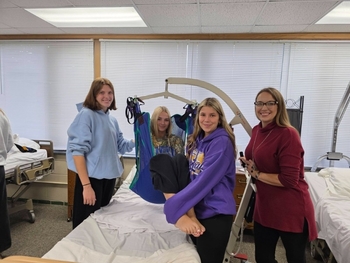
Clinicals are going very well. Students are settling into their sites, gaining valuable hands-on experience, and showing noticeable improvement. It has been great to see their confidence and skills continue to grow.
Thank you for your continued support of our HOYA students!

January was an active month for HOYA 2 students as they continued developing advanced knowledge and leadership skills.
Students began work on their Body Systems Capstone Project, an in-depth, multi-part project that integrates anatomy, physiology, and medical terminology. The capstone is organized by body systems, beginning with the muscular and skeletal systems as separate sections. Students examine structure and function, identify common disorders and injuries, apply appropriate medical terminology, and connect their learning to healthcare careers and clinical practice. This project will continue to build throughout the semester as additional body systems are introduced.
We initiated some hands-on learning with the first dissection lab using chicken leg quarters, allowing students to identify muscles, bones, cartilage, tendons, and bone marrow while reinforcing terminology and anatomical relationships.
Several HOYA 2 students also demonstrated leadership by assisting with sophomore tours, offering firsthand insight into the expectations and opportunities within the HOYA program.
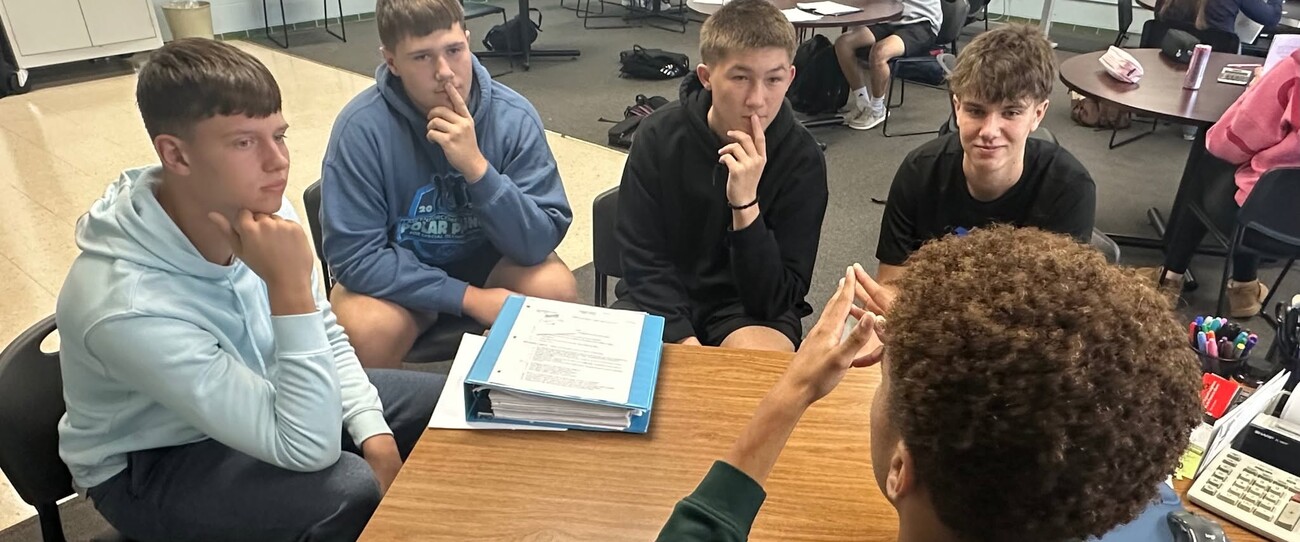
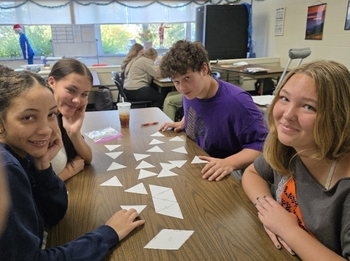
To reinforce terminology mastery, students participated in several more medical terminology Jenga review games, supporting collaboration and recall of key concepts. Students have also begun working through healthcare case studies, with an emphasis on proper documentation and professional language aligned with clinical expectations.
February will continue with expanded learning and leadership opportunities. Students will move forward with their capstone body systems with cardiac studies next on their agenda, including a sheep heart dissection examining heart anatomy and blood flow. These experiences continue to reflect the increasing rigor and independence expected of HOYA 2 students.
Many students are celebrating important milestones, with several being accepted into their selected colleges and others visiting campuses as they plan next steps.
HOYA 2 students will assist with the CareerTEC Mall of Life, a financial literacy and life-skills simulation for sixth- and seventh-grade students, strengthening leadership, communication, and mentoring skills. HOYA 2 students will also speak with HOYA 1 students about the benefits of continuing into the second-year program, including advanced coursework, leadership development, and career preparation.

The CareerTEC Mall of Life is a life-skill simulation event focusing on financial literacy, in which sixth and seventh grade students take part in making real-world adult decisions. The event instills skills such as decision-making, financial responsibility, problem-solving, goal setting, and communication, which prepares students for making realistic choices and achieving a successful future. The Mall of Life offers a glimpse into the realities of a career, salaries, and the obligations of daily life.
Prior to the event, each student picks a career from a list provided by CareerTEC. At the event, students are given the corresponding “salary” for one month minus any student loan amount for the career choice they’ve made. We randomly designate students to be “single,” “married,” “divorced,” and if they have “children,” which makes the event more realistic.
There are 14 “stores” (booths) set up with a poster at each showing the life choices the students have to make and what they must “pay for” while keeping track of their spending. The “stores” include purchasing housing, daycare, groceries, clothes, insurance, vehicles, doctor visits, cell phones, pets, and vacations, if their salary allows. The Mall of Life is both interesting and fun for students and provides them with insight to see what adults deal with in real life.
Criminal Justice 1 class for Jan. 21 is cancelled due to impending weather.
1:30pm - 3:00pm
CareerTEC Office
Highland Community College Student Center
1:30pm - 3:00pm
1:30pm - 3:00pm